
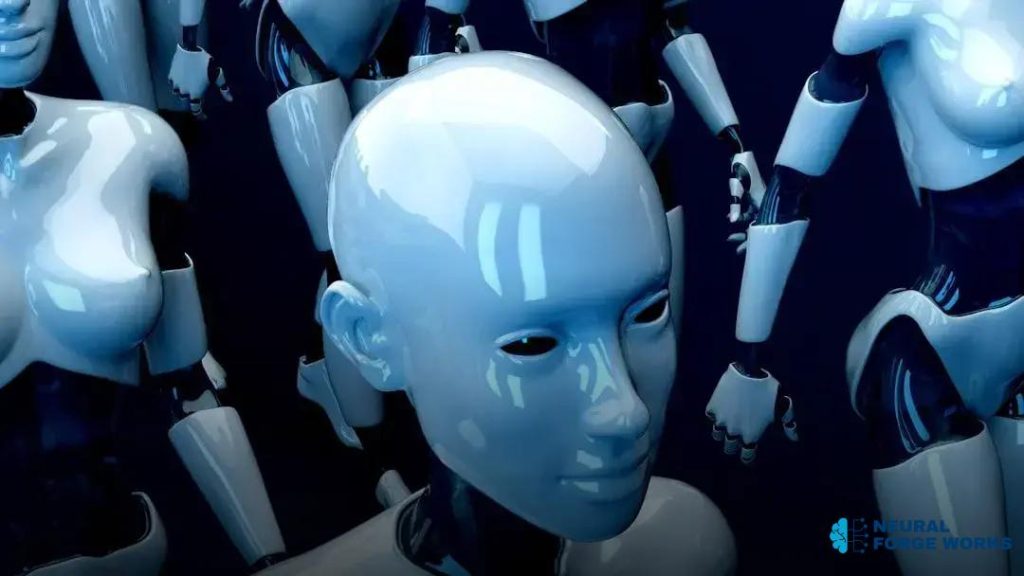
The Future of AI and Human Jobs is a topic attracting much attention. As artificial intelligence continues to advance, many wonder what this means for the workforce. Will AI take over jobs, or will it create new opportunities for humans? By understanding how AI is transforming industries and the types of skills needed in this new era, we can better prepare for the challenges and opportunities ahead. Explore the potential of collaborative roles and identify jobs that AI cannot replace, ensuring a balanced and thriving future.
How AI Is Transforming the Workplace
Artificial Intelligence (AI) is reshaping the workplace by enhancing productivity, efficiency, and decision-making processes. Through advanced algorithms and machine learning, AI systems can analyze vast amounts of data in real-time, providing insights that were previously impossible to glean. This technological evolution enables companies to automate routine tasks, freeing up employees for more strategic roles.
In sectors like healthcare, AI assists in diagnosing conditions and predicting treatment outcomes, dramatically improving care standards. Meanwhile, in finance, AI-driven tools detect fraudulent activities and optimize trading strategies, ensuring better resource allocation and security.
AI-powered chatbots offer improved customer service around the clock, handling inquiries and complaints more efficiently. Robotics in manufacturing speeds up production lines, reducing human error and lowering costs. These examples illustrate how AI integration helps businesses become more agile and competitive.
However, it’s crucial to consider AI as a complementary force rather than a replacement for human employees. While AI handles repetitive tasks, human workers are needed for creative problem-solving, emotional intelligence, and critical thinking—skills AI has yet to master.
Therefore, as AI continues to evolve, workplaces must adapt, leading to the emergence of new roles and responsibilities tailored to a tech-enhanced world.
The Skills Humans Will Need to Compete
In a rapidly evolving job market driven by artificial intelligence, humans must adapt by developing a distinct set of skills that machines find challenging to replicate. These skills often revolve around creative thinking, emotional intelligence, and complex problem solving. AI is exceptional at processing data and performing repetitive tasks, but it struggles in areas requiring human touch, empathy, and innovative thinking.
Creativity remains a significant asset for humans. While AI can analyze vast amounts of data and identify patterns, it lacks the ability to think outside the box or generate novel ideas in the same way humans can. This offers an opportunity for humans to focus on innovation and design, domains where creativity is key.
Another crucial skill is emotional intelligence. It encompasses skills like empathy, communication, and interpersonal relationships. AI lacks the nuanced understanding necessary to manage emotions in social settings, making human skills in this area particularly valuable. Jobs in leadership, healthcare, or customer service greatly benefit from high emotional intelligence.
Complex problem-solving abilities are also indispensable. While AI can provide solutions based on existing data, humans excel at addressing ambiguous problems that require a comprehensive approach. The ability to draw from multiple disciplines and perspectives is something uniquely human.
Adaptability and lifelong learning are increasingly important in an AI-driven world. As technology advances, roles will continue to shift, requiring humans to be flexible and proactive in learning new skills. Embracing change and continuously updating one’s skill set will be crucial to stay competitive in the job market.
These skills, when developed and honed, will allow humans to carve out their niches even as AI continues to evolve, ensuring they remain indispensable in various industries and sectors. By focusing on areas where human capabilities surpass those of AI, individuals can better position themselves for future employment opportunities.
Jobs That AI Cannot Replace
While AI is transforming various industries, there are certain roles where human nuances, emotional intelligence, and complex problem-solving skills are irreplaceable. Many occupations require creativity and a deep understanding of human emotions, which AI cannot replicate. For instance, jobs in the healthcare sector that involve empathetic patient care demand a human touch and judgment, beyond a machine’s capabilities.
Creative roles, such as writers, artists, and musicians, thrive on originality and emotional resonance. These are areas where AI can assist but cannot completely take over as human creativity is not programmable. Similarly, positions that require complex negotiations, like executive roles or legal advocates, benefit significantly from human intuition and the ability to predict emotional and psychological reactions.
The education sector also heavily relies on interpersonal interaction. Teachers provide more than information; they inspire and motivate students, fostering a learning environment that adapts to individual needs. Such roles underscore the essence of human presence.
Human jobs that navigate complex social dynamics or require ethical decision-making also face limitations with AI integration. Thus, while AI will undoubtedly reshape the job market, these areas exemplify where humans will continue to excel, highlighting the unique capabilities that AI can’t replace.
Collaborative Roles Between AI and Humans
As the landscape of jobs continues to transform, the collaboration between AI and humans becomes increasingly essential. AI can handle repetitive tasks, perform complex computations, and process large volumes of data quickly. On the other hand, humans offer creativity, emotional intelligence, and ethical judgment that machines cannot replicate.
In fields like healthcare, AI assists by analyzing patient data, enabling faster diagnosis, while human doctors provide the necessary care and empathy. In education, AI tools can personalize learning experiences for students, but teachers are crucial for fostering a nurturing environment and guiding student development.
Creative industries also benefit from AI’s processing power, generating personalized recommendations and automating tasks that allow creatives to focus on conceptual work. For instance, AI can provide insights through data analysis, while designers and artists focus on
innovative creation
.
The finance sector sees improved efficiency with AI’s ability to detect fraud patterns, whereas financial advisors continue to hold significant roles in advising clients on complex financial decisions.
Combining AI’s strengths with human skills leads to more dynamic and effective business strategies, enhancing productivity and creating new opportunities for both workers and industries. Fostering an understanding of how these roles intertwine will be crucial to navigating the future workforce landscape.
Preparing for an AI-Driven Future
The rise of artificial intelligence is reshaping our world in ways we have never seen before. It’s crucial for individuals, businesses, and societies to adapt to these changes to ensure a smoother transition to an AI-enhanced future. Thorough preparation is key to harnessing the potential of AI while mitigating its challenges.
Firstly, both individuals and organizations can benefit from fostering a culture of lifelong learning and continuous skill development. As AI systems evolve, new technologies and tools will emerge, further necessitating that individuals remain curious and adaptable. Companies should support their employees through training and upskilling programs, which not only enhance productivity but also increase job satisfaction.
Secondly, ethical AI considerations must be addressed through policies and regulations. As AI becomes more integrated into critical sectors like healthcare, finance, and transportation, it is vital that its use is responsible and transparent. Preparing for an AI-driven future involves participating in the shaping of these guidelines to ensure they align with societal values and the public good.
Investing in technology infrastructure is another vital component of preparedness. Organizations should evaluate and upgrade their data systems and ensure robust cybersecurity measures are in place to protect against potential threats.Cyber resilience becomes increasingly important in an AI-integrated world.
Educational systems must also adapt to prepare younger generations. A curriculum rich in STEM (Science, Technology, Engineering, and Mathematics), as well as soft skills like critical thinking and creativity, will better prepare students for future job markets. Supporting teachers to adapt to new learning environments is equally essential.
Lastly, encouraging public awareness about AI and its impact will help individuals make informed decisions. This can foster a broader understanding and acceptance of AI as part of everyday life, minimizing resistance and fear.

 The Future of Artificial Intelligence: Opportunities Await
  How to Start Learning AI as a Beginner: Easy Steps
  Skills Needed to Work With Artificial Intelligence Now